179 Prom. du Portage, 4th floor, Gatineau, QC J8X 4B7, Canada



31 Oct
Receiving a Canadian visa refusal can be disappointing, especially after spending time, money, and effort preparing your application. Whether you applied for a visitor visa, study permit, work permit, or permanent residence, a rejection can leave you wondering what went wrong and whether you can apply again.
The good news is that a Canada visa refusal does not always mean the end of your immigration journey. Depending on the refusal reasons and your circumstances, you may be able to submit a stronger application, request reconsideration, or explore an appropriate legal remedy.
However, applying again without understanding the original refusal can lead to another rejection. This guide explains what to do after a Canada visa refusal and how Charterlane Immigration can help you understand your available options.
A Canadian visa refusal means the immigration officer was not satisfied that your application met the requirements of the relevant immigration category or that you were admissible to Canada.
Some common reasons for Canada visa rejection include:
A refusal does not automatically prevent you from applying again. However, understanding the reasons behind the decision is essential before taking your next step.
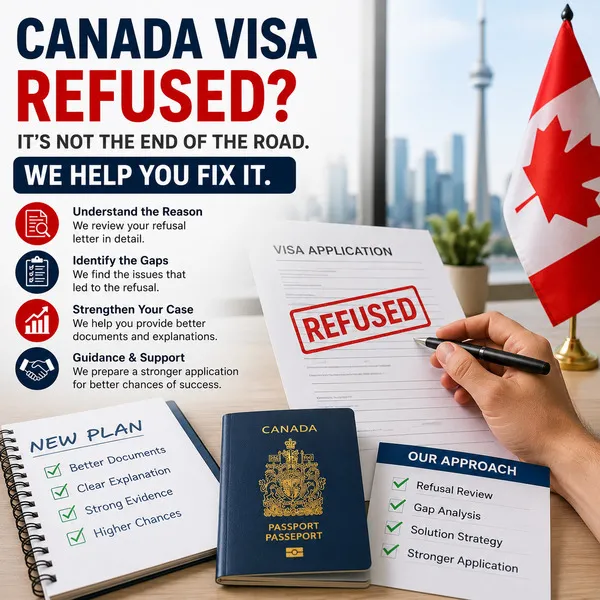
Start by reviewing the refusal letter issued by IRCC. Identify the concerns mentioned by the immigration officer and understand which requirements were not satisfied. Do not rush into another application without reviewing the decision.
Officer decision notes can provide additional information about why your application was refused. IRCC provides these notes with refusal letters for many application categories. They may help clarify concerns relating to financial documents, travel purpose, eligibility, or other information.
Compare the refusal reasons with the documents and information you originally submitted. Check whether your financial records, employment details, education history, travel plans, and supporting explanations were accurate and sufficient.
Submitting the same application without addressing the original concerns may lead to another refusal. A new application should contain relevant information and evidence that genuinely addresses the issues raised in the previous decision.
In many cases, applicants can reapply after a Canadian visa refusal. However, it is important to address the reasons for rejection before submitting another application.
For example, if the officer was not satisfied with your financial situation, you may need clearer evidence of your funds and their source. If the purpose of travel was unclear, you may need a more detailed and credible explanation supported by relevant documents.
Reapplying does not guarantee approval. Your new application will be assessed according to the applicable immigration requirements.
In certain situations, you may request that IRCC reconsider its decision. This may be appropriate where there is a specific concern, such as a factual mistake or a procedural fairness issue.
A reconsideration request is not a formal appeal and does not guarantee that the decision will be changed. Simply disagreeing with the refusal is generally not enough.
If you believe an immigration decision was unreasonable, legally incorrect, or procedurally unfair, judicial review before the Federal Court may be an option in appropriate cases.
For relevant federal immigration matters, the usual filing deadlines are 15 days for decisions arising in Canada and 60 days for decisions arising outside Canada. These deadlines are strict and should be confirmed immediately with a qualified lawyer.
Judicial review does not guarantee visa approval. It is a legal process that may result in the decision being sent back for reconsideration.
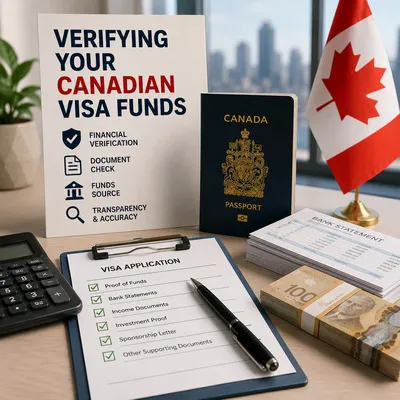
Unexplained bank deposits, unclear income sources, insufficient funds, or inconsistent financial documents can raise concerns. Applicants should provide genuine financial evidence that accurately reflects their circumstances.
Visitor visa applications should clearly explain the purpose, duration, and arrangements for the proposed trip. A vague travel plan may make it difficult for an officer to understand the applicant's intentions.
For temporary resident applications, officers may consider employment, family responsibilities, financial circumstances, and other connections when assessing whether an applicant will leave Canada at the end of their authorized stay.
Study permit applicants should explain why they selected their course and institution, how the program relates to their background, and how they plan to finance their education.
A previous Canada visa refusal does not automatically make you ineligible for future applications or permanent residence. Its impact depends on the reasons behind the refusal and the requirements of your next application.
Applicants should disclose their previous immigration history accurately whenever required. Refusals involving misrepresentation, criminal inadmissibility, or other serious concerns may have additional legal consequences and require professional assessment before reapplying.
Understanding a refusal and deciding what to do next can be challenging. Charterlane Immigration helps applicants understand Canadian immigration requirements and explore appropriate options based on their individual circumstances.
Depending on the case and agreed scope of service, assistance may include:
The appropriate solution depends on the facts of your case. No immigration representative can guarantee that IRCC will approve a future application.
After a refusal, be cautious of anyone promising guaranteed visa approval or claiming they can remove a previous rejection from your immigration history.
Before hiring a representative, verify their professional credentials, understand the services they offer, and request a written agreement explaining fees and responsibilities.
Charterlane Immigration identifies Alireza Mansouri as its founder and provides RCIC College ID R533715, with an RCIC-IRB licence classification (Class L3). Applicants should independently verify current registration status and authorized services through the relevant official regulatory records.
In many cases, yes. However, you should first understand the refusal reasons and address the concerns with relevant new information or evidence.
There is generally no fixed application limit for many visa categories. However, every application must meet the applicable requirements, and repeated applications without addressing previous concerns may lead to further refusals.
A previous temporary visa refusal does not automatically prevent you from applying for permanent residence. However, you may need to disclose it, and the circumstances may be relevant to your PR application.
Government processing fees are generally not refunded simply because an application is refused. Check the applicable IRCC fee rules for your application type.
Yes. Depending on the case and authorized scope of service, Charterlane Immigration can help applicants understand refusal reasons, assess documents, and explore appropriate next steps.
A Canada visa refusal can be stressful, but it does not always mean your immigration journey is over. The most important step is to understand why your application was rejected and determine whether the concerns can be addressed through a new application or another appropriate process.
Every refusal is different, so avoid rushing into another application or relying on guaranteed approval promises. With a careful review, accurate documentation, and realistic guidance, you can make better-informed decisions about your next steps.
Charterlane Immigration helps applicants understand Canadian immigration requirements, assess refusal concerns, and explore suitable options within its authorized scope of services.