179 Prom. du Portage, 4th floor, Gatineau, QC J8X 4B7, Canada



23 Dec
Applying for a Canada visa is a structured and detail-driven process. Even applicants with strong eligibility profiles often face delays or refusals due to missing or incorrect documents. Canada’s immigration system places heavy importance on documentation, and a single overlooked requirement can affect the outcome of the entire application.
This blog explains why missing documents are a common challenge, how they impact Canada visa applications, and how expert-led guidance helps applicants stay complete and compliant throughout the process.
Canada visa applications involve multiple forms and supporting documents that vary depending on the immigration program. Express Entry, work permits, study permits, and family sponsorships all have different documentation requirements. Applicants may miss documents due to unclear instructions, recent job changes, difficulty obtaining old records, or misunderstanding document formats.
Using general information without profile-specific guidance often leads to gaps. Each applicant’s background requires a tailored documentation approach.

Incomplete documentation is one of the most common reasons for processing delays and refusals. Immigration officers assess applications strictly based on the documents provided. If required evidence is missing, expired, or unclear, the application may be returned or refused.
Even when additional documents are requested, submitting incorrect or late responses can weaken the application. This makes accuracy at the initial stage extremely important.
A complete and well-organized application builds credibility and trust. Clear documentation allows immigration officers to verify education, work experience, financial capacity, and background details efficiently.
Applicants who follow structured preparation—often guided by an experienced Canadian Immigration Consultant—tend to avoid common mistakes related to inconsistencies, formatting errors, and missing proof.
If a missing document is identified after submission, immediate action is required. Applicants should carefully review the request, collect the correct document, and respond within the given deadline.
When a document cannot be obtained on time, a concise Letter of Explanation supported by alternative evidence may help immigration officers understand unavoidable gaps.
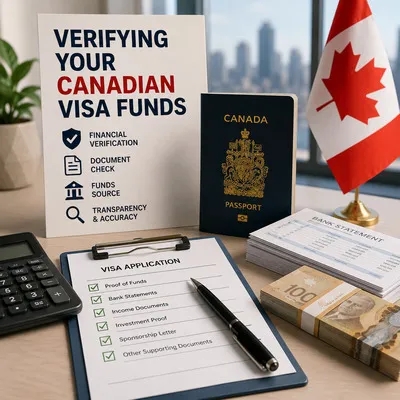
Several documents are frequently missed or incorrectly submitted, including detailed employment reference letters, proof of funds in the correct bank format, police clearance certificates from all relevant locations, and certified translations for non-English documents.
Professionals recognized as a Best immigration consultant often focus on identifying these overlooked areas before submission.
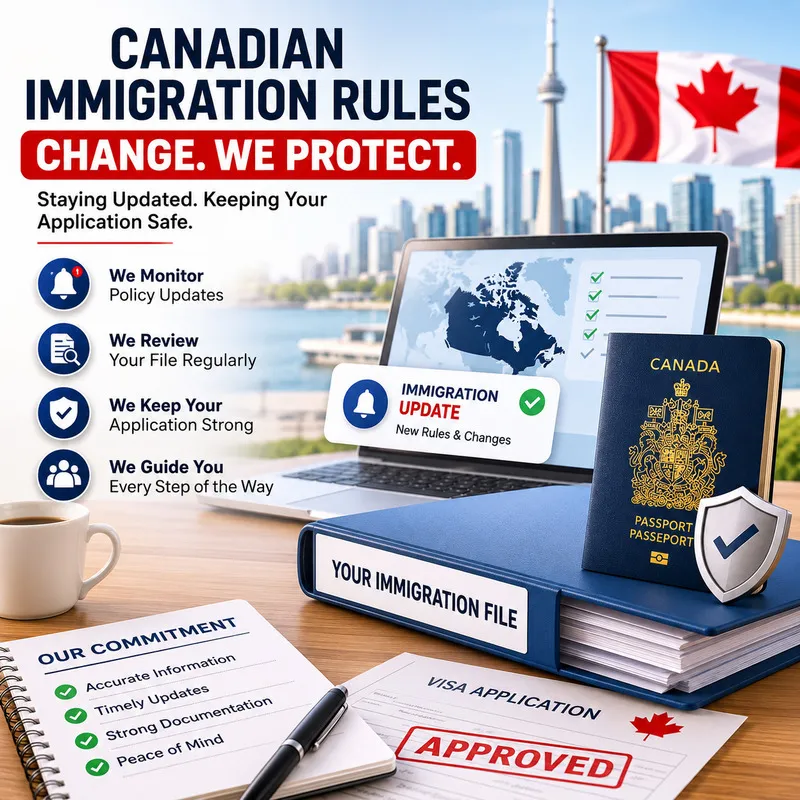
Canada’s immigration rules and documentation standards change regularly. Expert guidance focuses on prevention rather than correction by reviewing documents early and aligning them with current requirements.
Charterlane follows a documentation-focused approach that emphasizes accuracy, clarity, and compliance, helping applicants reduce risk and improve application quality.
Missing a document does not mean your Canada visa journey is over, but it does highlight the importance of preparation. A complete, well-organized application improves approval chances, reduces delays, and presents your profile clearly to decision-makers.
Whether applying independently or with professional guidance, documentation remains the foundation of a successful Canada immigration application.
If a document is missing, Charterlane notes that the application may be delayed, returned as incomplete, or refused depending on the immigration program.
Yes, Charterlane highlights that a clear Letter of Explanation with supporting proof can help explain unavoidable document gaps.
No, Charterlane explains that documentation varies by program and individual profile, making careful review essential.
Charterlane focuses on accuracy, compliance, and structured review to help applicants submit complete applications.
According to Charterlane’s approach, a consultant identifies gaps early and ensures documents meet current immigration standards.