179 Prom. du Portage, 4th floor, Gatineau, QC J8X 4B7, Canada



03 Dec
Applying for a Canadian visa is a major step — one that can open professional opportunities, reunite families, or enable study abroad. At Charterlane Immigration Consultant, we see the same avoidable mistakes repeatedly. As immigration professionals led by Alireza Mansouri, Founder & Visionary, CharterLane Immigration (RCIC College ID: R533715), we advise applicants on how to reduce risk, present stronger files, and improve the chance of positive outcomes. Below we outline the most common errors and practical ways to avoid them.
Many applicants submit under the incorrect program (e.g., visitor instead of student, or the wrong Express Entry stream). This issue often stems from misunderstanding eligibility criteria. We always recommend confirming your objective — temporary stay, work, study, or permanent residence — and matching it to the exact IRCC program. A misfiled application can be refused without review of your true merits.
Incomplete forms, missing signatures, or inconsistencies across documents create immediate red flags. Dates, names, and addresses must match across passport, birth records, employment letters, and bank statements. We perform thorough cross-checks to ensure consistency and completeness before submission, reducing chances of an IRCC request for clarification or refusal.
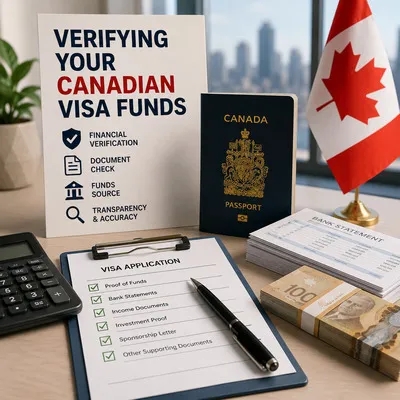
Failing to prove adequate and verifiable funds is a leading cause of refusal, especially for study and visitor visas. We advise providing clear, recent bank statements, proof of ongoing income, and documentation of any sponsor’s resources. Highlighting the source and liquidity of funds — and explaining unusual transactions — prevents doubts about your financial capacity.
A concise, credible Letter of Explanation clarifies intent. Generic or vague LOEs fail to persuade visa officers. We craft LOEs that explicitly explain the purpose of travel, ties to your home country, and how you meet program requirements. This is one area where clarity, specificity, and honesty greatly influence decisions.
Immigration officers evaluate whether you’re likely to return home after a temporary stay. Weak evidence of employment, property, family commitments, or long-term obligations can be damaging. We ensure applicants document strong ties — employment contracts, property deeds, dependent relationships — to demonstrate genuine intent.
Documents not in English or French must be translated correctly and certified. Poor translations or uncertified copies cause delays and may invalidate supporting evidence. We use accredited translators and include certified translation packages to meet IRCC standards.
Medical examinations and biometric enrolment are mandatory for many visa types. Missing these steps or delaying bookings can stall or cancel processing. We provide clear checklists and timelines so applicants complete medicals and biometrics within required windows.
Submitting false or altered documents leads to bans and long-term consequences. Honesty is non-negotiable. We rigorously verify documentation and counsel clients on lawful ways to strengthen applications, avoiding shortcuts that can permanently harm immigration prospects.
Life events — new employment, marriage, or criminal charges — can materially affect an application. Failing to report significant changes generates complications. We advise clients to promptly disclose any changes and help determine whether an update is necessary.
IRCC timelines are strict. Ignoring or missing requests for additional information leads to refusal. We monitor deadlines and prepare timely, complete responses to information requests to protect processing integrity.
While some cases are straightforward, complex files benefit from regulated, professional support. Charterlane Immigration Consultant provides assessments, document preparation, and representation. Under the leadership of Alireza Mansouri (RCIC College ID: R533715), we apply RCIC-regulated standards to reduce errors and improve outcomes.
Applying with care and professional oversight makes a measurable difference. If you’re preparing a Canadian visa application and want personalized guidance tailored to your situation, reach out to Charterlane Immigration — we combine regulated expertise with hands-on support to help you present the strongest possible case.